
How Adjustable Gastric Bands Really Work
Discover how adjustable gastric band surgery abroad really works — from ports and refills to long-term care. Learn what to expect with adjustments, aftercare, and challenges patients face with weight loss surgery abroad.
How Adjustable Gastric Bands Really Work: Ports, Refills & The Long Game Abroad
Let’s be honest for a second—nobody lands on gastric band surgery abroad because everything was going just fine. For most, that decision comes after years of frustration, a stack of diets, a scare or two at the doctor’s, and late-night forum browsing that swings between “miracle!” and “don’t do it.” It’s complicated. But whether you’re just starting your research or trying to get your head around long-term aftercare, here’s the stuff that actually matters about living with an adjustable band—especially when you get it overseas.
The Real Deal: How the Band and Port Work
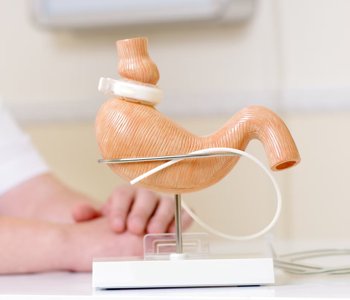
Picture this: you’re in a clinic in Tallinn or Istanbul, nerves jangling, and the surgeon talks you through it one last time. The band itself is like a soft, silicone bracelet that wraps around the top part of your stomach. It’s not magic—the thing that makes it work is a thin tube connected to a little port, usually tucked under your lower ribs or on your belly. That port is your band’s “control panel”—your nurses can squirt in or draw out saline through it, tightening or loosening the squeeze on your stomach.
When the band’s just right, you’ll feel pleasantly full after a handful of food, and snacking isn’t as tempting. Too tight? Welcome to indigestion, reflux, or awkward dashes to the bathroom—patients say you know it in your bones when it happens. Too loose? Weight loss slows, hunger creeps back, and that “why isn’t this working?” frustration returns.
Getting Adjusted: Refills Aren’t a One-Time Thing
Let’s kill a common myth: you don’t just wake up from surgery, skip home, and drop a jeans size monthly without effort. After that short stay abroad, you’ll be on a schedule for adjustments—early on, most people need a fill every 4–6 weeks. The first is gentle, just a touch of saline, and the team is watching how you eat, whether you feel any tightness, and (yep) how much weight is inching off.
As time goes on, you might dial back to a fill every few months or when weight loss slows, or if symptoms like “food gets stuck” or random hunger hits. Some people, especially those who had their gastric band surgery abroad, find that getting these adjustments done locally is a project in itself—private clinics in the UK or US sometimes charge extra or can’t handle unfamiliar port types, so lining up help in advance is a must.
| Adjustment Stage | Typical Timing | What Changes? |
|---|---|---|
| First fill | 4–6 weeks post-op | Starts weight loss ramp-up |
| Early adjustments | Every 4–6 weeks | Appetite control improves |
| Maintenance fills | Every 3–12 months | Tweaks for plateaus |
| “Emergency” adjustment | As needed | Fixes trouble: too tight/loose |
Living With the Band: Commitment, Surprises & Support
Let’s not sugarcoat it—the surgery’s just the start. Having a gastric band (especially after weight loss surgery abroad) means being proactive. Some days you’re celebrating: one Irish woman blogged about her energy bouncing back just weeks after her adjustment in Stockholm. Others, you’re stressed because you can’t find anyone who does “that filling thing” for your particular band back home.
You’ll tune your habits, too. Most band patients get the best results when they eat slowly, focus on protein, and learn to spot sneaky calories in drinks. Miss your checkups, or ignore weird feelings around your port, and little problems can turn big—fast.
Port & Tubing Headaches: What’s Different About Surgery Abroad?
Not every story’s sunshine. Even the best clinics for gastric band surgery abroad may use ports a local doctor hasn’t seen. If your port flips under the skin, swells up, or hurts, you may need a scan or minor surgery—so plan for that in your long-term budget. Infection’s rare, but it can happen after any “fill.” And hey, tubes can leak or disconnect after a rough gym day or accident; most of the time, it just means a bit of hassle, but occasionally, the band has to come out.
| Port Issue | Common Sign | Typical Fix |
|---|---|---|
| Infection | Red, warm, sore | Antibiotics, sometimes surgery |
| Flip/dislocation | Hard to fill | Fix in minor op suite |
| Leak/disconnect | Band “stops working” | Tubing repair |
After the Plane Ride: Finding Care at Home
This one matters: if you went for gastric band surgery abroad, don’t assume everyone at home can (or wants to) adjust your band. Some NHS trusts, US clinics, and even private surgeons are picky—either about the port system, paperwork, or cost. Patient stories echo this: in Canada, the UK, and Australia, those who lined up support before traveling abroad had the smoothest time, while others felt “stranded” or abandoned when something felt off.
Telehealth can help with reassurance, but if your band gets tight or the port needs a fix, you want a nurse or doctor with both the right needle—and the confidence to use it.
Are You Ready? A Reality-Check Checklist
- Who’s doing your port adjustments after gastric band surgery abroad?
- Does your clinic include “refills” after discharge, or will you pay (and how much)?
- Do you know what swelling, fever, or sharp pain around your port means?
- Have you made sure your local nurse or doctor has your device size/type info?
- Is there flex in your budget for an extra scan, emergency appointment, or minor surgery for the band?
- Who will you call if your band feels way too tight or suddenly does nothing?
FAQ: Adjustable Bands, Ports, and All the Bumps Along the Way
How often will the band need a refill?
Early months, every 4–6 weeks. After that, it’s “as needed” for hunger or symptoms—sometimes a few times a year, sometimes less.
Are fills painful or scary?
It’s more weird than painful. Feels like a shot, quick and over before you know it—but if the port moved, it could take an extra minute or a scan.
What if I skip refills or follow-up?
The band loses its edge—or gets uncomfortable fast. Folks who missed a few maintenance visits often had weight plateaus, vomiting, or “what’s the point?” moments.
Will my UK/US/CA doctor adjust a band from abroad?
Not always. Some will, some won’t, and sometimes there are extra fees. Ask—and bring your band info card every time.
Can ports flip or fail?
Sometimes. It’s usually fixable, but very occasionally, the band has to come out if the port is a recurring problem.
How do I know my band’s too tight?
Hard to swallow, pain after eating, sudden reflux, or waking up at night coughing up spit (yep, it happens).
Is it really worth it?
If you want steady, supportive weight loss and can stick with the checkups and little “band rules,” a lot of folks are glad they did it—even if it took some hustling after the surgery itself.
Bottom Line
Gastric band surgery abroad is the start of a story, not the ending. The real trick is planning for the months and years after—the breakfast tweaks, the refills, the random port questions—so when life changes, your band and your plan do too. Keep it real, keep it flexible, and keep asking your care team what’s next. That’s how you make a tool like this truly work for you—one adjustment at a time.