
Rehabilitation & Return to Sport After ACL Surgery Abroad
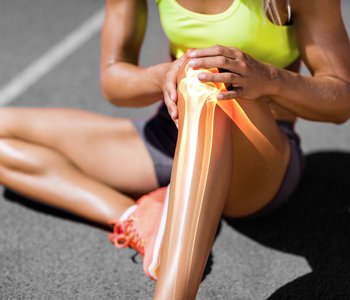
Rehabilitation after ACL surgery abroad is a journey of milestones, from early mobility to full sport return. Discover timelines, risks, and recovery tips for safe outcomes in knee operations abroad and orthopedic surgery abroad.
Rehabilitation & Return to Sport After ACL Surgery Abroad
If you’re heading abroad for ACL surgery, you’ve already braved the research mountain, wrestled with logistics, and maybe fielded “are you sure?” from every friend with a Google account. But let’s be honest—the real marathon starts after the operating room. What does recovery feel like, week by week? And when will that new knee let you run, jump, or just walk with trust again? Here’s the straight talk on rebuilding, rehabbing, and returning to life after knee operations abroad.
Early Recovery (0–6 Weeks): Restoring Mobility, Easing Pain
The first days are an up-and-down carousel: swelling, tightness, pain meds—and surprise gratitude for crutches. Most people start moving (with support) within hours; your physio or nurse will encourage gentle foot pumps, ankle circles, and “toe touch” walking. If your clinic is thorough, you’ll be sent off with a rehab plan and advice for icing, elevation, plus preventative moves for clots (important after travel).
Milestones:
- Walking with crutches (sometimes a brace), getting enough bend (90°) in the knee by week 2–3.
- Full extension (straightening) is top priority.
- Pain gradually moves from “constant” to “when I overdo it.”
- Stitches out at 10–14 days, then gradually more independence.
Mid-Phase (6–16 Weeks): Strength, Balance, and Building Confidence
Now the real work starts. This phase transforms noodle-leg into stable, confident strides.
Milestones:
- Ditching crutches by week 6–8 after knee surgery abroad.
- Starting closed-chain exercises (mini-squats, step-ups).
- Single-leg balance, stationary cycling, resistance bands.
- Controlled pain and swelling mean adding more challenge.
- By week 12–14: faster walking, can tackle stairs, maybe drive.
Tips:
- Listen to your knee: sharp pain = stop; steady stretch = ok.
- Strength symmetry (quads, hams) with your other leg is a huge win.
Late Phase (4–9 Months): Drills, Agility, and Sport Prep
It’s a slow ramp up, not an instant return. At this stage, rehab turns more “athletic.”
Milestones:
- Straight-line jogging may start at 4–5 months (if no giving way).
- Plyometrics (hops, skips, agility ladders), sport-specific skills reintroduced 6–8 months.
- Cutting, pivoting, and aggressive direction changes start late—only after passing functional strength/agility tests.
- Many clinics and physios abroad use hop tests and strength checks as “permission slips” for full sport return.
Recovery Phases Table
| Phase | Key Goals | Milestones | Red Flags to Watch |
|---|---|---|---|
| 0–6 weeks | Range, swelling, walk | 90° bend, full extension | Fever, red, calf pain |
| 6–16 weeks | Strength, walk normal | Crutches gone, stairs, balance | Big swelling, instability |
| 4–9 months | Power, sport skills | Jog, hop, lateral moves | Giving way, limping |
| 9–12+ months | Return full sport | Sprint, competition | Persistent weakness |
When Can You Really…?
- Walk without crutch/brace? Often at 2–6 weeks for most after ACL surgery abroad.
- Stationary bike, swim (not legs)? 3–8 weeks.
- Jogging? Often 4–5 months if stable, no limp.
- Hard pivot, play soccer, tennis, or basketball? 9–12 months, sometimes more.
- Full “back to normal”? Most people hit athletic confidence 9–12 months out (sometimes longer), especially after more complex knee surgery abroad.
| Activity | Typical Safe Return Time |
|---|---|
| Daily walking | 2–6 weeks |
| Driving (auto) | 6–8 weeks |
| Jogging | 4–5 months |
| Sport drills | 6–8 months |
| Competition/pivot | 9–12 months |
Classic Rehab Mistakes (and How to Dodge Them)
| Mistake | How to Prevent |
|---|---|
| Skimping on physio after return | Line up local rehab before you fly home |
| Rushing running/cutting drills | Only increase after passing strength/mobility targets |
| Ignoring swelling & pain | Back off, ice, elevate, review program with physio |
| Comparing yourself to “online timelines” | Rehab is individual, not a contest |
| Neglecting mental health | Expect emotional dips and ask for support |
Rehab Abroad: What’s Different?
- Clinic rules: Some centers offer daily in-clinic physio before you travel, sometimes even “spa” rehab in hotel settings. Others provide a discharge plan and leave you to manage at home.
- Local rehab access: It’s critical to pre-book a specialist near home who sees returnees from knee operations abroad.
- Support after you leave: Remote check-ins work for many, but injuries, setbacks, or refusal by local insurance to cover extra care do happen—budget and plan for follow-up.
- Travel issues: Swelling may spike with long flights or walking airports—plan to elevate, ice, and move regularly.
Checklist: Are You Rehab-Ready?
- Is your local or remote physio arranged before you leave the clinic abroad?
- Do you fully understand the benchmarks for safe walking, cycling, running, and return to sport?
- Have you planned for setbacks—travel issues, insurance quirks, local aftercare hiccups?
- Is your support network (family, trainer, coach) aware of your restrictions and needs?
- Are you tracking your progress and celebrating small wins—not just fixated on “back to sport”?
FAQ: Returning to Sport After ACL Surgery Abroad
Do I have to wait a whole year before playing sports?
Many surgeons and physios recommend 9–12 months for any pivot-heavy or contact sport. Non-pivot sports sometimes return sooner.
How do I know I’m “ready” to play?
Strength and hop tests, ability to run/cut without pain or giving way, and passing mental confidence quizzes are all part of readiness.
Is rehab different after knee surgery abroad?
It can be, mainly in early intensive support vs. longer-term follow-up at home. The biggest challenge is seamless transition to your local physio.
What should I do if my knee is swelling or painful again?
Slow down, get checked for infection or mechanical issues, and communicate with your team—don’t push through severe swelling.
Are setbacks normal—even after months of progress?
Absolutely. Recovery isn’t linear, and everyone has off weeks. The key is patience, not panic.
Will insurance pay for rehab when I get home?
Depends on your policy—sometimes yes, often not for “elective” knee surgery abroad. Clarify these details before booking.
Bottom Line
Rehab and return to sport after ACL surgery abroad is an epic journey—full of milestones, setbacks, and little victories. Prep your support, set realistic timelines, and remember: healing isn’t just about the knee, it’s about the whole you.


