What to Expect After Bunion Surgery Abroad
Recovery after bunion surgery abroad takes weeks of care, from pain management to rehab. Learn realistic timelines, aftercare tips, and milestones for safe healing in orthopedic surgery abroad.
Recovery & Aftercare: What to Expect After Bunion Surgery Abroad
Let’s be honest—no one books bunion surgery abroad just for the thrill of medical tourism. If you’re flying across borders for orthopedic surgery abroad, you deserve to know not just “how it’s done,” but how long it takes to feel human again, what hurts, and how to make a speedy, safe comeback. Here’s the lived-in, realistic roadmap for the recovery journey—pitfalls, milestones, and all.
Immediate Postop Phase: Pain, Swelling, Hospital Stay
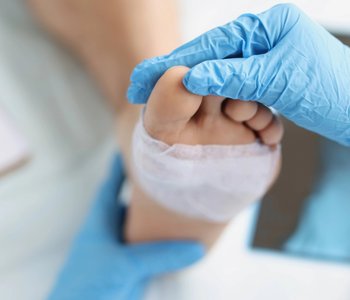
The first day or two, you’ll ride out anesthesia, wake up to a heavily bandaged foot, and learn the art of elevation. Some clinics keep you overnight, while others send you to a hotel with strict instructions. Expect pain, swelling, and zero patience for anything besides rest. The first week? Think foot up, bathroom breaks only, and your surgical boot never leaves your side.
Pain is well-managed with meds, but moving too much, too soon only brings more swelling and regrets.
| Recovery Phase | Typical Timeline | What You’re Doing |
|---|---|---|
| Day 1–7 | First postop week | Foot up, rest, minimal walking, bandages checked |
| Week 2 | Still swollen | May start gentle PT or exercises |
| Weeks 3–6 | Boot/shoe on, increasing activity | Light home tasks |
Mid-Recovery (Weeks 2–6): Walking, Footwear & Going Home
As the swelling finally drops off, you’ll graduate to brief walks—still in the surgical boot—sometimes with crutches for support. By the end of week 2, most patients after bunion surgery abroad are safe to fly home (ask for a fit-to-fly note if needed). You’ll start physio: range-of-motion exercises, then strength, and maybe starting to wean off the boot by week 4–6.
- Shoes: No returning to “real” shoes for at least a month. Stick to what the surgeon says—surgical shoes or roomy trainers are your friend.
- Pain/swelling: Still normal at the end of each day—especially after travel or errands.
- Work: Desk jobs? Maybe by week 3–4 (with elevation breaks). Manual work and lots of standing may need 8–12 weeks.
Long-Term Recovery (3–6 Months): Getting Back to Normal
Swelling and aches taper off, and shoe choices expand. By three months, most are walking comfortably, driving again, and taking short trips.
Return to intense sport, hiking, or gym routines? That’s a 3–6 month milestone—sometimes longer after bigger reconstructions. Full “the foot feels like mine again” can take six months to a year for some.
| Milestone | Typical Point After Surgery |
|---|---|
| Off surgical shoe | 6 weeks |
| Back to work | 4–8 weeks (sitting), 8–12+ (standing) |
| Normal-shoe walking | 6–10 weeks |
| Drive again | 6–8 weeks |
| Sports | 3–6 months |
| Swelling/pain gone | 6–12 months |
Rehab: Abroad vs At Home
- Clinic-based rehab (abroad): Some centers include daily PT for two weeks—take advantage if you can, even if it means rearranging your trip.
- At home: Book physiotherapy before you return. Every skipped week slows progress. Bring your surgeon’s exercises and post-op notes so your at-home PT can personalize your plan.
- Follow-up: If your surgeon won’t check in after your return, make sure your local doc or a nearby foot specialist can remove stitches, monitor healing, and troubleshoot.
| Support Tool | Why It Matters |
|---|---|
| Boots/orthotics | Offload pressure, aid alignment |
| Physio/rehab | Restores mobility, prevents stiffness |
| Home help | Rest, meals, errands in early weeks |
Back to Life: Work, Travel, Sport, and the “New Normal”
- Work: Plan on remote work or using sick leave; standing/walking jobs need longer before return.
- Travel: Plan breaks, extra elevation, and loose shoes if you must fly in the first 4–6 weeks.
- Sport: Only gentle activity early on—serious running, classes, or impact sports need at least 3–6 months and sign-off from your team.
Recovery Checklist: Are You Set for Success?
- Is my rehab (home or abroad) scheduled before surgery?
- Have I packed big, comfy shoes and easy clothes for the flight home?
- Did I arrange local wound checks or stitch removal after travel?
- Do I know milestones for safe walking, driving, and sport?
- Who will help at home with meals, chores, or errands those first busy weeks?
- Am I clear on warning signs (redness, fever, pain, oozing) and who to call?
FAQ: Questions Patients Actually Ask
How much pain will I have?
The first week can sting, but meds and elevation help. By week 2–3, discomfort is mostly swelling, easing as you walk more.
When can I drive?
Right foot: usually 6–8 weeks out and only when comfortable braking in an emergency.
Left foot/automatic: sometimes sooner, but get cleared first.
How soon can I fly home after bunion surgery abroad?
Generally, 2–3 weeks is safe for most, but always run it by your surgeon for clot and wound risk.
What’s the #1 way to avoid complications?
Follow every restriction for walking, wound care, and footwear. Don’t “prove you’re fine” by ditching your shoe, crutch, or boot too early.
When does swelling really go away?
It steadily improves over months, but lingering puffiness—especially by the end of the day—is common for 6+ months.
Do I need special shoes forever?
Usually, just wide, supportive footwear for the first 2–3 months. After that, most people return to favorite shoes—maybe with new insoles.
What if something feels wrong at home?
Call your local doctor first (or urgent care if serious). Keep all records and contact info handy; most clinics abroad can consult remotely if needed.
Bottom line
Recovery from bunion surgery abroad isn’t a straight escalator—it’s a bumpy walk, full of “are we there yet?” moments and small victories. Smart planning, patience, and local support make all the difference for getting back into stride—no matter where the journey starts.