
Fat Transfer vs Implants
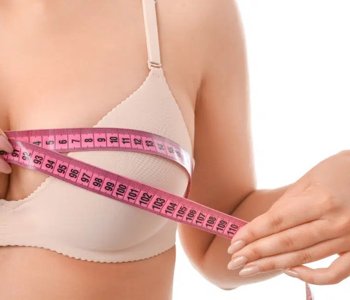
Deciding between fat transfer and implants for breast enlargement abroad? Learn how each method works, who qualifies, recovery differences, and what to expect when planning breast surgery overseas.
Fat Transfer vs Implants: Who’s a Good Candidate for Breast Enlargement Abroad?
Ever stood in front of the mirror, pinching a bit of softness around your waist and thinking, “Can’t I just move some of this up top?” You’re not alone! The world of breast enlargement abroad keeps expanding, and two leading options—fat transfer and implants—draw very different crowds. Here’s the honest scoop to help you make sense of those options, with none of the medical jargon and plenty of real-life advice for travelers.
How Fat Transfer Actually Works (and How It Differs from Implants)
Picture this: instead of using manufactured implants, surgeons can now use your own body fat—usually from the hips, belly, or thighs—to give your bust a gentle boost. The process is part artistry, part science: fat gets gently harvested, purified, and injected into the breast area, “topping you up” in a way that feels almost like a magic trick. The best part? It’s all you.
Implants, on the other hand, are moldable medical devices designed for reliability—silicone (often, but not always) shells filled before or during surgery to precise specifications. They can create dramatic fullness, bigger jumps in cup size, and reshape the chest—even if nature gave you little to start with.
Who’s a Good Candidate—and Who Isn’t?
Fat transfer might be your path if:
- You’ve got enough extra fat to spare (think hips, belly, or thighs—it can’t come from a friend, sorry!)
- You crave subtlety: a half-cup increase, maybe a bit more—but not a total transformation.
- You like the idea of using only your own tissue (bonus: two body zones get an upgrade at once).
- You’re laid-back about touch-ups—sometimes, another round is needed since not all grafted fat sticks for good.
Implants might suit you better if:
- Your goal is to jump a few cup sizes, or you want a specific shape/look that your natural tissue could never create.
- You’re slim and low on “donor fat” (even the best lipo can’t conjure fat out of thin air).
- You want instant, predictable results and plan to keep them for years.
- You’re okay with the idea of a device in your body (they’ve become safer and more adaptable with time).
Volume, Symmetry, and What Lasts Longest
Unlike flipping a switch, fat transfer gives you a softer, organic boost. The catch? Some of the fat gets reabsorbed, so you can lose some volume over months and might need another session if you want to “top off” the look. Implants, on the other hand, stay the same—at least until you want (or need) to change or refresh them a decade or two down the line.
Wondering about symmetry? Fat’s fantastic for smoothing little differences between sides, while implants muscle their way to reliably even curves right away. Still, for those chasing perfection, a combo of both is catching on—an implant for size, a touch of fat for contour.
Quick Comparison—Fat Transfer vs. Implants (Abroad & Anywhere)
| Fat Transfer | Implants | |
|---|---|---|
| Materials | Your own purified fat | Silicone or saline devices |
| Size possible | Subtle (½–1 cup, sometimes more) | Modest to dramatic, your pick |
| Incisions/scars | Tiny lipo marks, near-invisible | Small, under breast or nipple |
| Risks | Fat loss, minor lumps, shape shift | Capsular contracture, rupture |
| Maintenance | Possible touch-ups | Longevity—sometimes 10–20+ years |
| Cost abroad | Often higher (needs lipo, repeats) | Package-based, can be lower |
| Suitability | Needs donor fat, gentle goals | Flexible, most body types |
Risks, Recovery, and Surprises—A Traveler’s View
Every surgery comes with its curveballs. After a fat graft, you’ll be nursing both your chest and your “lipo zones”—expect swelling, soreness, and sometimes an emotional rollercoaster as the new soft curves settle in. Implants feel different at first—often firm, needing time to “drop and fluff”—but in a few weeks, most find them natural.
Breast enlargement abroad adds its own quirks: sessions might be planned in advance, and touch-ups could mean a return trip. Many clinics bundle video follow-ups, but it’s smart to factor travel, local support, and timing for any hiccups.
Common Limitations
- Fat transfer has clear volume limits: if you hope for more than a subtle shift, you’ll likely need implants.
- Implants aren’t “set and forget”—think of them as a long-term commitment that might need freshening up as the years go by.
- Fat transfer isn’t magic—skin quality, healing quirks, and honest expectations affect each result.
Checklist: Key Questions for Your Overseas Consult
- How much extra fat do I actually have for transfer (and from where)?
- Will I need more than one session for the look I want?
- What shape and size changes are realistic for my body?
- How’s recovery abroad handled if there are surprises?
- Is mammogram screening affected later?
- For implants: what are my long-term care and replacement options?
- Is a “combo” approach (small implant + fat) possible?
FAQ—Patient Questions (and Straight Answers)
Is fat transfer “safer” than implants?
For some, yes—it uses only your cells, so there’s zero risk of implant rupture or device-related issues. But the trade-off is less control over size and more chance of needing a repeat.
Will I need repeat trips for fat transfer abroad?
Potentially—because not all fat survives, many centers encourage you to plan for two sessions.
Are implant results really as predictable as they say?
Pretty much. What you see is usually what you get, provided you stick with aftercare and routine checks.
What’s the deal with scars?
Both options keep marks minimal. Implants use a low-visibility crease or nipple edge; fat transfer relies on pinprick lipo spots.
Can I switch from fat transfer to implants or vice versa later?
Absolutely. Some even combine them for “the best of both worlds.”
How soon can I fly home?
Most clinics suggest waiting 5–7 days—until swelling settles, and you’re walking comfortably. Always double-check with your team—your body’s timetable counts most.


