
When to Consider Ultrasonic (Piezo) Rhinoplasty Abroad
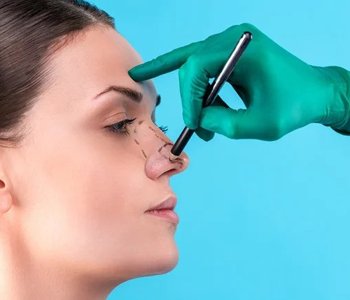
Discover when ultrasonic (piezo) rhinoplasty abroad makes sense. Learn how this advanced technique reshapes bone with precision, reduces bruising, speeds recovery, and what patients should know about cost, benefits, and surgeon skill overseas.
When to Consider Ultrasonic (Piezo) Rhinoplasty Abroad
Ultrasonic, or “piezo,” rhinoplasty is gaining traction in the world of rhinoplasty abroad. The buzz is real—but what do these devices actually deliver for overseas patients, and when are they genuinely worth the leap? If you’re weighing nose surgery abroad, here’s how the piezo method stands apart, who might gain the most, what to know about cost and skill differences, and which myths to ignore.
What’s Actually Different with Ultrasonic Devices?
Instead of relying on the standard chisels or rasps, piezo rhinoplasty employs a surgical “pen” that pulses ultrasound waves. This tool is fine-tuned to shave or cut bone—but it’s designed to leave soft tissue, blood vessels, and nerves untouched. In practice, it lets the surgeon sculpt the bony nasal bridge with micro-precision, while reducing the odds of causing unexpected bruises or trauma.
- Classic methods cut bone by force, sometimes causing hairline cracks and collateral swelling. Piezo, by contrast, is calibrated for control—bones are shaped, not broken.
- These tools still use the same access points as open or closed approaches, but their “gentle” action is the main event.
Who Really Benefits Most from Piezo Abroad?
The appeal isn’t just hype. Piezo shines in the hands of a skilled surgeon when:
- The goal is subtle bone reshaping—especially for narrowing bridges, smoothing humps, or dealing with thin-skinned patients where even gentle trauma shows up.
- Revision cases or slightly asymmetric noses call for surgical finesse: less force, less risk of overcorrection.
- Patients want to minimize downtime and avoid the “raccoon eyes” bruising sometimes seen with older techniques.
Bonus: The tailored finesse tends to mean swelling fades faster and early healing is milder, which can be a big win for travelers eager to recover and board that flight home.
Limits: Where Classic and Piezo Feel (or Cost) the Same
Despite the marketing around ultrasonic rhinoplasty abroad, not every patient will see dramatic differences:
- If your procedure focuses on cartilage (e.g., nasal tip, airway corrections), the piezo tool offers little advantage—old-school hand skills remain king.
- For noses thick with tissue, or when major reconstructive changes are on deck, the time and tech investment may not change outcomes.
- A piezo device doesn’t guarantee perfection; results depend on a surgeon’s eye and control, not just the hardware.
Also, piezo procedures can stretch out operating time (safety checks, learning curve), and patients should be wary of clinics touting the device as a universal fix—all reputable surgeons will blend techniques if called for.
The Real Cost & Logistics of Piezo Rhinoplasty Overseas
- Expect piezo procedures abroad to cost a bit extra due to equipment expense and the demand for surgeons trained in this new technique.
- The investment, however, may be offset by a quicker visual recovery—less swelling means fewer “sick days” for patients visiting from afar.
- Because precision bone work reduces tissue trauma, some international practices recommend a shorter post-op stay for overseas patients (as little as 5–8 days).
- Always confirm what’s included: “piezo” might be used selectively during surgery, or as a full-technique plan—clarity matters.
Classic vs Piezo Rhinoplasty Highlights
| Element | Classic Rhinoplasty | Piezo (Ultrasonic) Rhinoplasty |
|---|---|---|
| Bone sculpting | Chisel/rasp: more force | Ultrasound: precise, less force |
| Bruising | Often more | Typically less |
| Recovery time | Swelling lingers | Shorter for many |
| Cost | Standard | Usually higher |
| Ideal for | All-purpose; complex work | Subtle bone contour, fine bridges |
| Surgeon skill | Widely available | Fewer surgeons, niche skill |
| Suitability | Any anatomy | Best for bone-focused corrections |
How to Judge a Piezo Rhinoplasty Offer Abroad
- Is the team piezo-trained or “new to tech”? Ask for specific experience and before/after results.
- Do your improvement goals truly involve bone reshaping? If not, the upsell may offer little real benefit.
- How much faster is visible recovery, and do patient reviews echo the promised downtime?
- Will you pay a premium—and is it justified by safer, more personalized surgical handling?
- Is aftercare, including remote support for overseas patients, equal to classic surgery?
- What happens if the piezo unit fails or the plan needs to shift mid-surgery?
- Are clinic safety and sterilization on par with top national/international guidelines?
FAQ: Piezo (Ultrasonic) Rhinoplasty—Real-World Questions
- Does ultrasonic mean pain-free surgery or no swelling at all?
- Not quite. It’s still real surgery with anesthesia, and swelling/bruising are reduced—not erased.
- Is this method best for all noses?
- No. Piezo’s greatest value is for people wanting subtle bone contouring; it’s less essential for big structure changes or mainly cartilage-focused surgeries.
- What’s the main risk to know about?
- Risks include minor burns (rare if used correctly), extra facial swelling if the skin is widely lifted, and—like any device-dependent surgery—relying on a skilled operator.
- Is healing really faster?
- Initial visible bruising fades faster in many cases; bones heal at normal speed, but looking presentable may happen sooner.
- Does it always cost more overseas?
- Usually, since devices and training are expensive—but sometimes competitive pricing levels things out.
- Is it wise to combine piezo with classic methods?
- Yes. The best overseas surgeons choose the tool for the job—sometimes using both in the same operation.
- Does cultural experience factor into recovery?
- Surprisingly, yes—many patients enjoy the travel and atmosphere as part of the healing journey, but check that care standards match your home country.
Piezo rhinoplasty abroad is a tool, not a miracle. For the right nose, in skilled hands, the payoff is about finesse and a smoother ride to recovery—not hype. Choose with clarity, careful questioning, and real-world expectations.


