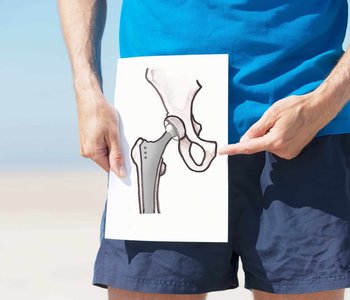
Hip Replacement Abroad: Recovery Timeline & Rehabilitation

Hip replacement abroad recovery: from hospital stay to full mobility. Learn realistic timelines, pain control, rehab milestones, flight safety, and how overseas surgery supports healing and long-term success.
Hip Replacement Abroad: Recovery Timeline & Rehabilitation
If you’re seriously weighing hip replacement abroad, you probably don’t just want a glossy brochure dream—you want the full arc: how fast you’ll get moving, what the pain truly feels like, and what’s realistic when you’re recovering on unfamiliar turf. Let’s unpack the recovery step by step, with real talk about milestones, setbacks, and what’s just a normal part of the road.
Immediate Recovery After Surgery (Hospital Stay)
First things first: you won’t be stuck flat on your back for long. Most folks having hip surgery abroad find themselves standing—sometimes with a walker, sometimes a sturdy nurse’s arm—within the first 24 hours. The average hospital stay? Around 2–5 days, sometimes less if you’re bouncing back quickly.
You’ll get pain relief—could be a mix of nerve blocks, NSAIDs, a gentle opioid, or even an ice pack—so you’re not facing every shuffle with a grimace. Nurses and physiotherapists push for gentle movement fast: ankle pumps, cautious rolling, deep breaths to dodge blood clots and get your lungs awake.
They’ll drill “hip precautions” (what not to do!) so you dodge early dislocation or wound trouble. Compression stockings are a must—even on the flight home.
| Stage | Mobility | Devices | Starter Exercises | Risks |
|---|---|---|---|---|
| Hospital (0–5d) | Bed-to-chair, walker | Walker/crutches | Ankle pumps, heel slides | Infection, clots |
Pain Management (The Honest Version)
Odds are you’ll sample a little bit of everything for pain control: strong meds at first, tapering to Tylenol or ibuprofen. Cold packs are a lifesaver. Speak up early; toughing it out delays your rehab and isn’t a badge of honor.
First Week: Gentle Movement, Finding Your Pace
Once you’re out of the clinic—maybe a hotel, maybe a rented flat—the real-life phase sets in. Most people take short, careful walks indoors. Swelling and colorful bruises? Totally ordinary. You’ll still lean on crutches or a walker. There’s no race: steady wins every time.
Early physio usually means gentle range-of-motion work, safely turning in bed, learning to step around chairs, and “no twists!” reminders for your new hip.
| Stage | Mobility | Aid | Home Exercise | Risk |
|---|---|---|---|---|
| Week 1–2 | Short walks | Crutch | Bed escapes, heel slides | Pain, swelling |
Keep Trouble at Bay
Try to wiggle your toes and ankles hourly—especially when you’re sitting a lot. Watch for swelling, redness, or fever; even abroad, let your medical team know if something seems “off.” Wound care and being honest about pain—these are non-negotiable.
Weeks 2–6: Gaining Independence
This window is when confidence returns. A lot of patients are getting around with a cane, tackling longer indoor walks, maybe even the stairs (with a rail!). You’ll add basic strengthening and balance exercises—sometimes with a visiting physio, sometimes with remote check-ins if you’re far from home.
Restrictions matter: skip cross-legged sitting, deep bends, and twisting. Stick with your assigned “hip rules”—most people get pretty good at kitchen tasks and even light shopping by week 6.
| Stage | Mobility | Aid | Exercises | Complication Risk |
|---|---|---|---|---|
| Week 3–6 | Longer walks | Cane | Leg lifts, gentle stretches | Dislocation |
Eat & Heal
Protein (chicken, beans, eggs), leafy veg, enough calcium and vitamin D—think bone food and anti-inflammatory choices. Hydration really bumps up recovery.
Months 2–6: Everyday Life, Bit by Bit
By this stage, most people do daily activities without much thought. Walking, shopping, driving (around 6 weeks for many), maybe a bit of swimming or easy cycling. Some get back to desk jobs as early as 4 weeks, but anything with ladders, lifting, or lots of twisting might need three months.
Pain should become rare, maybe a dull ache if you overdo it. Listen to your body—it’ll let you know. Full strength and fitness could take a solid year, and that’s completely OK.
| Stage | Mobility | Device | Exercise/Fitness | Risks |
|---|---|---|---|---|
| Month 2–6 | Walking, stairs | None | Light gym, swimming | Implant stress |
Sports & High-Energy Play
Low-impact stuff (yoga, water aerobics, careful walking) is standard after 2–3 months. High-impact or twist-heavy sports? Always clear with your surgeon—risk can jump for implant wear or slips.
Flying Home After Hip Surgery Abroad
Nobody loves a long-haul flight at their best—never mind after major surgery. Most clinics say, “Don’t fly before week 4–6,” and for anything longer than six hours, you might be told to wait 12 weeks.
Flight Survival List:
- Compression stockings—yes, even if you think you’re not “at risk”
- Stand up and walk every 1–2 hours, aisle-seat for the win
- Chug water, skip alcohol, and pack snacks and pain pills in your carry-on
- Let airlines know you need a little extra space, if possible
The Long View: Healing Never Goes in a Straight Line
You’ll have check-in appointments and probably an X-ray between 6–12 weeks. By 6 months, life should be looking a lot more normal. Flare-ups, stiffness after long days, or feeling “slow” on rainy mornings? Very normal for up to a year.
Yearly checkups—ideally with the surgeon or your GP—make sure the implant’s holding up and your muscle strength stays solid.
Your Hip Surgery Abroad: Smart Checklist
- How many hospital nights do most patients need?
- When does physio start, and is there remote/virtual support for travelers?
- Who do I call if I notice a hot, swollen, or red wound?
- When can I get back on a plane—and what’s my travel prep?
- How am I set up for pain management after discharge?
- Are there movement “no-gos” specific to my surgery?
- Will rehab continue at home, and who leads follow-up?
FAQ: The Recovery Realities
When can I walk “normally” without an aid?
Most people hit that by 6–8 weeks—faster if you’re diligent, slower if you’re older or had extra issues.
How soon can I fly after hip replacement abroad?
Short trips: 4–6 weeks; long-haul: closer to 12 if you want to minimize clot risk.
Is pain a fact of life for months?
Nope. Most have it well-managed with meds and ice, but occasional twinges are normal.
Can I handle remote rehab, or do I need an in-person physio?
Video physio and remote plans work for many, but in-person feedback is gold—aim for some mix if you can.
Will I ever get full strength back?
With commitment and luck, almost. Even if you’re slower or creakier, pain relief and function usually make up for any lost speed.
Anything I should never do again?
High falls, wild pivots, and obsessive running marathons. Protect that implant, and you’ll get years—sometimes decades—of better life.
What if I have a slow patch, setback, or bad day?
It’s standard! Healing isn’t linear; celebrate small wins, and lean on support when you hit a speed bump.
There it is: honest expectations, lived experience, and up-to-date timelines for hip replacement recovery abroad. Ask, prepare, and remember that every steady step leads you back toward the life you want.