
Total vs Partial Hip Replacement vs Resurfacing
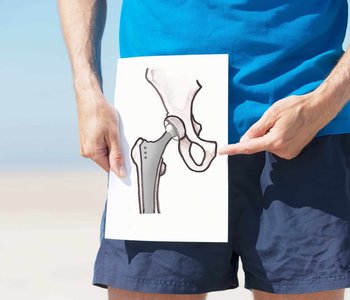
Explore total hip replacement, partial hip replacement, and hip resurfacing abroad. Compare benefits, risks, recovery, and costs to choose the right hip surgery overseas for your needs.
Total vs Partial Hip Replacement vs Resurfacing: How to Choose
Feeling Stuck? You’re Not Alone
Let’s face it: the idea of getting your hip replaced—especially abroad—is enough to make anyone’s head spin. You might be picturing airport terminals, strange hospital hallways, and maybe a thousand what-ifs rattling around late at night. That’s totally normal. Most folks considering hip surgery overseas are looking for real answers, not glossy guarantees.
Breaking Down Your Hip Surgery Choices
So, what are your options? Forget the medical jargon for a minute. Here’s how actual people deal with real hips:
Total Hip Replacement (THA)
This is the full works. The surgeon swaps out both the ball and socket in your hip for shiny new parts. It’s pretty common for folks with arthritis that’s turned walking into a chore, or for anyone whose joint is, frankly, worn out. Most people say they’re able to walk again without wincing with every step—and the relief often feels like a second chance.
Partial Hip Replacement (Hemiarthroplasty)
Partial means only the ball (the leg side, not the pelvis socket) gets replaced. Docs usually go this route after certain fractures—like slipping on the ice in London or missing a step somewhere in Toronto. If your socket isn’t a mess, and the rest of the hip’s in good shape, partial can mean less time in the hospital and a shorter climb back to normal.
Hip Resurfacing
Now, if you’re younger (ish) and not ready to give up jogging, hip resurfacing keeps most of your own bone. The doc fits a metal cap over your natural ball and replaces the socket lining. Folks in their 40s and 50s sometimes prefer this—it’s designed for those who’ve still got some bounce left.
Surgical Shortcuts: Which Route Do They Take?
Surgeons aren’t all the same, and their approach changes things. Here’s a quick peek:
| Approach | Muscles Invited to the Party | Where’s the Cut? | Why Try It | Minor Headaches | Early Wins |
|---|---|---|---|---|---|
| Anterior | Front thigh crowd (TFL, Sartorius) | Right up front | Less pain, less muscle drama | Tingling or numbness’s possible | Walking sooner, stairs a bit easier |
| Posterior | Gluteus maximus mainly | Back side | Old school, strong repairs | Can be slightly riskier for falls | Early walking, careful bending |
| Lateral | Side squad (abductors) | On the side | Great for certain builds | Sometimes a temporary limp | Walking early, limp usually fades |
It’s not one-size-fits-all. Your surgeon’s experience, your anatomy, and sometimes even insurance or travel plans affect the route.
Which Surgery Fits You?
Here’s what matters:
- If both sides of your hip are wrecked by arthritis, a total replacement is probably in the cards.
- If the joint’s mostly fine and you’ve just broken the upper leg, partial replacement could be just right.
- If you’re under 60, active, and want more bone left behind, resurfacing deserves a look.
The Not-So-Glossy Truth (Pros, Cons, Risks)
Every choice comes with ups and downs—like everything in life.
Total Hip Replacement
- You’re likely getting solid pain relief and a long-lasting fix.
- Downside? More bone gets taken out, and if you’re a marathon runner, you might need a redo down the line.
Partial Hip Replacement
- Surgery’s quicker, and sometimes you’re back on your feet faster.
- But it’s not all roses—if arthritis’s lurking, pain might come back, and stability can be iffy.
Resurfacing
- More bone saved, more activity possible afterward.
- Doesn’t play nice with weak bones, and certain metals can cause trouble (it’s rare, but it happens).
Bruises, infections, clots… they’re possible but, thankfully, not the norm. Most surgeons walk you through this stuff before a scalpel ever touches skin.
What’s Recovery Really Like?
Most people are up moving within a day—even if it’s just a wobble with a walker. Crutches or a cane? Plan on two to six weeks before you’re strutting out solo. Ups and downs are standard; some days feel miraculous, others are just… meh. Listen to your body; healing takes time.
If you’re flying home from, say, Prague or Istanbul, ask your surgeon about blood clot risks. Travel after surgery isn’t always a quick “sure”—better safe than sorry.
Getting Your Hip Done Abroad: Real Talk
Why do people travel for hip surgery? Honestly, it’s often about avoiding long waits or saving cash. Some clinics overseas bundle everything: consultation, airport pickup, private rooms—with someone checking in on you day and night. No matter where you go, hospital stays run about two to five days. It’s common to see Brits, Canadians, and Americans sharing stories in recovery rooms.
What happens afterward? Many places set you up with online follow-ups, then it’s local PT once you’re back home. Packages vary, so double-check what’s actually covered—don’t just take someone’s word for it.
Hip Replacement Abroad: Price Tags and Extras
The cost can be a fraction of what you’d pay in New York or London, but it’s smart to break down the details. The sticker price might include surgery, hospital room, and a week of check-ins. But extras—like prescriptions or extra rehab—could be billed separately. Always ask for a written quote.
Implant Materials: What’s Inside Matters
Cemented parts go to those with softer bones (think grandparents). Cementless bits ghost for younger, active types—they fuse with bone naturally. Options include ceramic, metal, and tough plastics. Each has trade-offs; some are quieter, some last longer, some make airport security a pain.
Questions to Ask (No Question Is Silly)
- Which hip surgery fits my actual situation?
- How are you getting in—front, back, or side?
- What’s going inside of me?
- What can go sideways, honestly?
- How’s pain managed after I wake up?
- Who helps me rehab, both there and at home?
- When can I fly, and how do I avoid blood clots?
- What’s covered—and what’s not—in the package?
- What if I have a problem once I’m back home?
FAQ: Real Answers for Real People
- What’s the actual difference between total, partial, and resurfacing?
Total’s both ball and socket, partial’s just the ball, resurfacing caps your natural bone. - Is hip surgery abroad really safe?
Most big clinics hit high standards, but don’t skip checking credentials and making sure follow-up care’s clear. - How much time will I spend in hospital after surgery overseas?
Figure two to five days for most people. - Is it safe to fly home soon after hip surgery?
Only if your surgeon says so—blood clots are a real concern. - When will I be walking normally again?
Expect a couple weeks with crutches or a cane, but most walk solo before too long. - What’s included in the price for hip surgery abroad?
Surgery itself, your room, standard care… but always read the fine print. - Do I need follow-up care at home?
Yes. Most places do online check-ins, but face-to-face rehab happens locally. - Does one surgical approach make recovery faster?
Sometimes. Anterior can help speed things up, but your body and your surgeon matter more than the technique.
Nobody wants to feel alone or lost before surgery. Wherever you’re headed, being honest about what’s ahead—good and not-so-good—makes the journey smoother. Take a breath, ask every question that pops into your mind, and remember: plenty have walked this road before you.